 Skip to content

Baja California, a Mexican peninsula stretching along the country’s western coast, is a territory characterised by an extraordinary variety of desert landscapes. From arid coastlines to rocky mountains, through deep canyons and sandy plains, this region hosts a unique and resilient flora, where cacti serve as a dominant and iconic element. Baja California is home to a surprising variety of cactus species.
Many of these are endemic, meaning they are found exclusively in this region. This botanical wealth is the result of millions of years of evolution in extreme environmental conditions, which has led to the development of remarkable adaptations for survival in a dry climate with very little rainfall.
How do desert cacti adapt to extreme conditions?
Imagine a world without water, with blazing temperatures and dry soil. Incredibly, the desert cacti of Baja California manage to survive in these extreme conditions. These extraordinary plants are true masters of adaptation. They have developed a series of strategies to conserve water and withstand the intense heat. Their leaves have often transformed into spines to reduce the surface area exposed to the sun and limit moisture loss. Furthermore, cacti can absorb large amounts of water when it is available and store it within their succulent tissues.
These features make them true champions of desert survival. The desert cacti of Baja California are a remarkable example of how nature can adapt to the harshest conditions, teaching us the importance of resilience and adaptability in our daily lives. The most notable characteristics of Baja California’s cacti include:
- Succulence: The ability to store large quantities of water in their tissues, allowing them to survive long periods of drought. Different species show various strategies for water storage, with varying shapes and sizes.
- Spines: Organs modified from leaves that serve several crucial functions: protection from herbivorous predators, reduction of transpiration, and shading of photosynthetic surfaces. The shape, size, and arrangement of the spines vary considerably depending on the species, reflecting different strategies for adapting to the environment.
- CAM Photosynthesis: A specific type of photosynthesis that allows cacti to minimise water loss during transpiration. The plants open their stomata (pores on the plant’s surface) at night when the air is more humid and temperatures are lower, thereby reducing the loss of water vapour.
- Extensive roots: Many cactus species possess highly extensive root systems, capable of absorbing water even from sporadic and light rainfall. Some species also develop shallow roots, which are able to collect dew and atmospheric moisture.
Why is Baja California’s biodiversity unique?
The biodiversity of Baja California is a unique treasure that deserves to be discovered and preserved. This fascinating region hosts a variety of habitats, from the coast to the interior, which support a wide range of plant and animal species. From dry deserts to lush forests, Baja California is a true paradise for nature lovers. Here you can find spectacular cacti, such as the iconic cardon, with its massive branches reaching towards the sky to protect the creatures that seek refuge there.
But it is not just the cacti that enrich this extraordinary biodiversity. Baja California is also home to endemic species found only in this region, making it even more special. Preserving this biodiversity is essential to ensure the survival of these unique species and to continue enjoying the beauty and wonder that nature offers us.
Representative Species: Among the most representative cactus species of Baja California, we can mention:
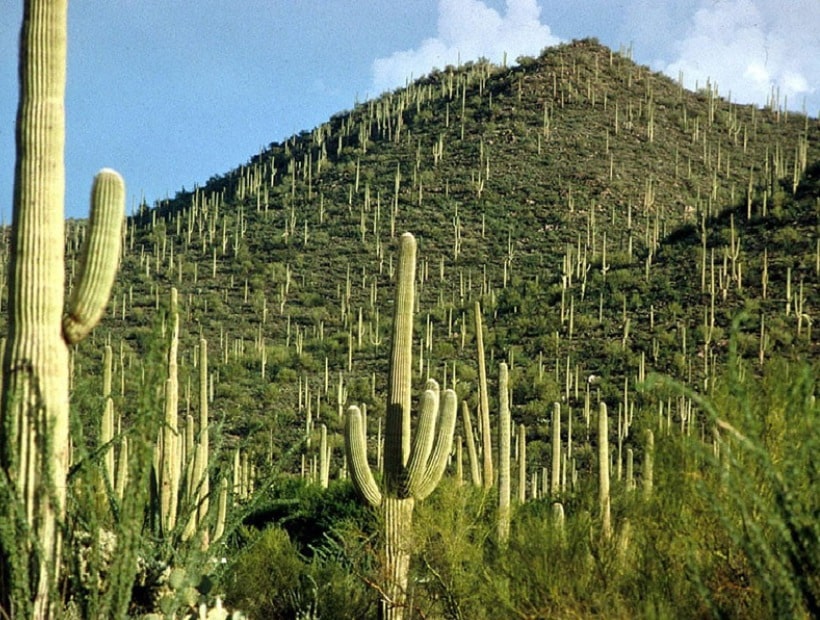
- Carnegiea gigantea (Saguaro)
Although less common in Baja California than in Arizona, the saguaro is present in the southern part of the peninsula and acts as a symbol of the Sonoran Desert. Its impressive height and longevity make it an iconic landscape feature.
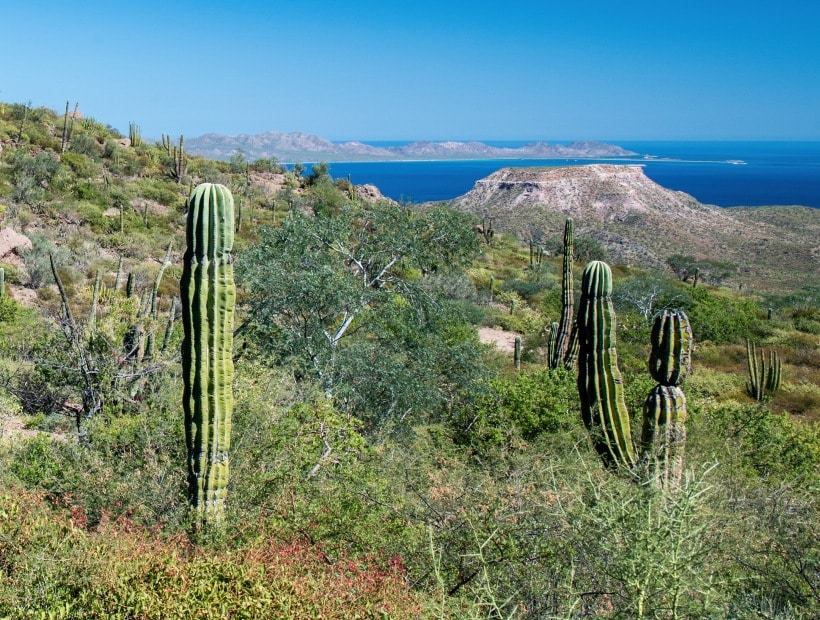
Pachycereus pringlei (Cardón Cactus): One of the tallest columnar cacti in the world, the cardón is widespread throughout Baja California and represents a characteristic element of the desert landscape. Its thick bark and robust spines protect it from extreme temperatures and drought.
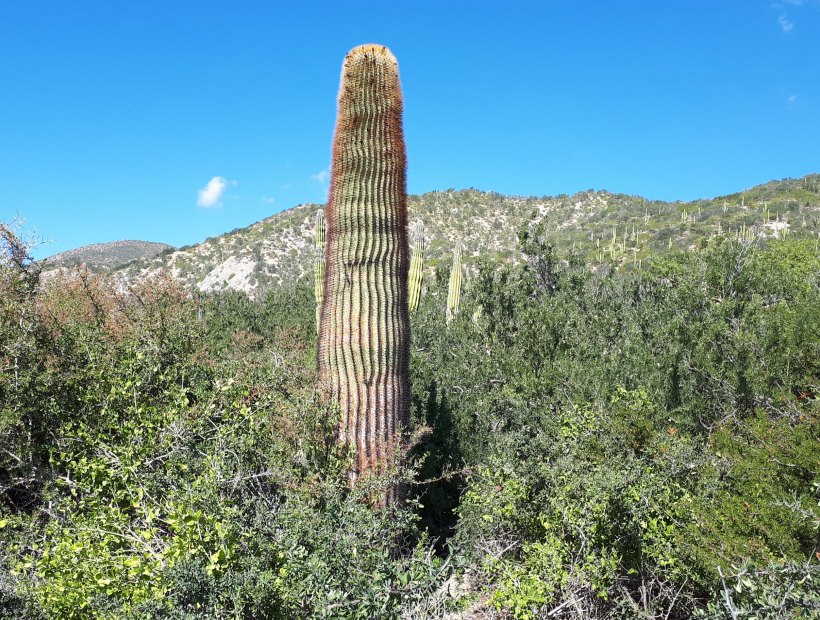
Ferocactus spp. This genus includes several species of globular cacti. Strong, hooked spines cover these plants to protect them from predators. Many Ferocactus species are endemic to Baja California, and they show a remarkable variety of spine shapes and colours.
Mammillaria spp. This genus features a wide range of globular or cylindrical cacti. They have small, raised tubercles from which their spines and flowers grow. Many Mammillaria species are endemic to Baja California, displaying a wonderful diversity of shapes, sizes, and colours.
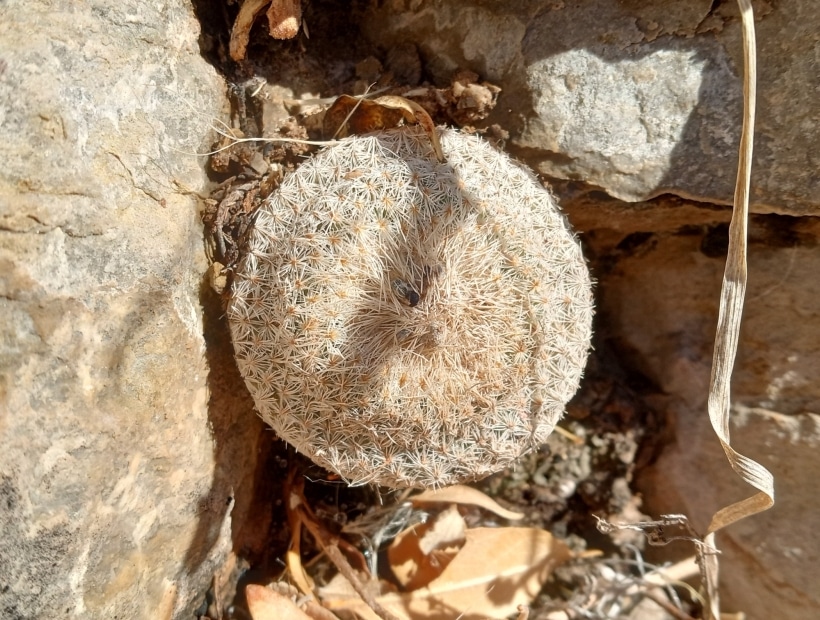
Epithelantha micromeris (Bisnaga enana) Un piccolo cactus globoso, quasi microscopico, che si adatta a condizioni di estrema aridità. La sua piccola dimensione e la sua capacità di mimetizzarsi tra le rocce lo proteggono dai predatori e dalla forte insolazione.
Cacti, culture, and local traditions
A fascinating universe of connections links cacti to the culture of Baja California. These spiny plants have become a symbol of resilience and adaptation, reflecting the tenacity of the Mexican people who inhabit this region. Cacti are often depicted in local artwork, such as paintings and sculptures, and they also feature in traditional music and typical dances.
But it is not just their aesthetic appeal that makes cacti so important in local culture: people have used their medicinal properties for centuries to treat a variety of illnesses. Furthermore, cacti play an important role in religious festivals, such as Dia de los Muertos, where people use them to create memorial altars. The bonds between cacti and the culture of Baja California are deep and complex, representing an essential part of the local identity.