 Skip to content

Imagine gliding over the calm waters of the Sea of Cortez when, suddenly, the surface ripples. Dozens, then hundreds of bat-like marine creatures emerge from the water, performing gravity-defying acrobatic leaps before plunging back with a resounding splash. This is the natural spectacle offered by the Mobula Munkiana, also known as Munk’s devil rays.
These animals transform the ocean into a vibrant stage of life. Witnessing their massive gatherings is an experience that leaves a lasting impression on anyone visiting Baja California.
Who are the Mobula Munkiana?
The Mobula Munkiana is a species of ray belonging to the Mobulidae family. Unlike their larger cousins, the giant mantas, these devil rays are more modest in size. They reach a maximum wingspan of about one metre and weigh up to twenty kilograms. Their bodies are flat, with pointed pectoral fins resembling wings, allowing them to literally “fly” through underwater currents.
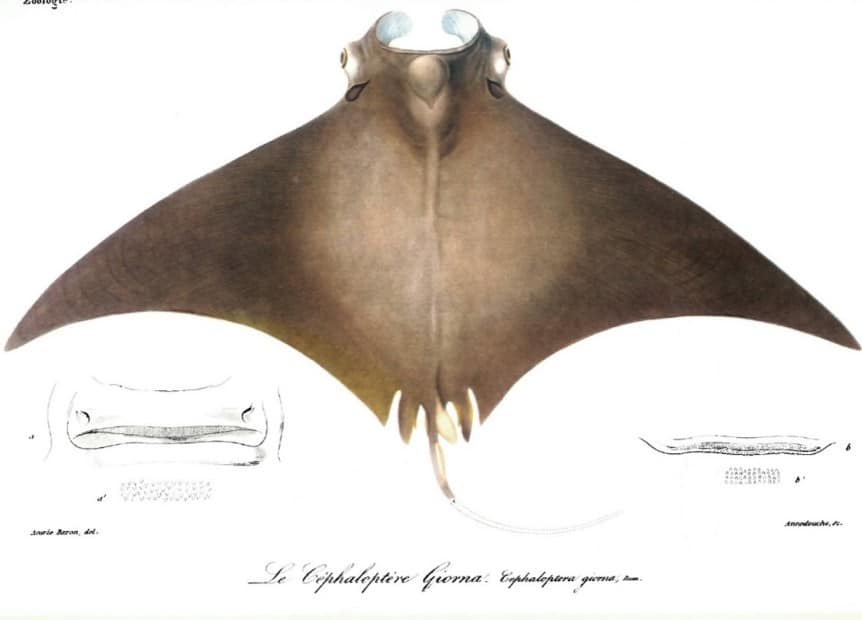
The back of the Mobula Munkiana displays colours ranging from dark grey to purplish-brown, while the belly is a bright white. This colouring serves as perfect camouflage: dark when viewed from above, blending with the ocean floor; light when viewed from below, merging with the sunlight penetrating the surface. They primarily feed on zooplankton and small fish, filtering vast amounts of water through their modified gills.
The Spectacle of Leaping: Behaviour and Habits
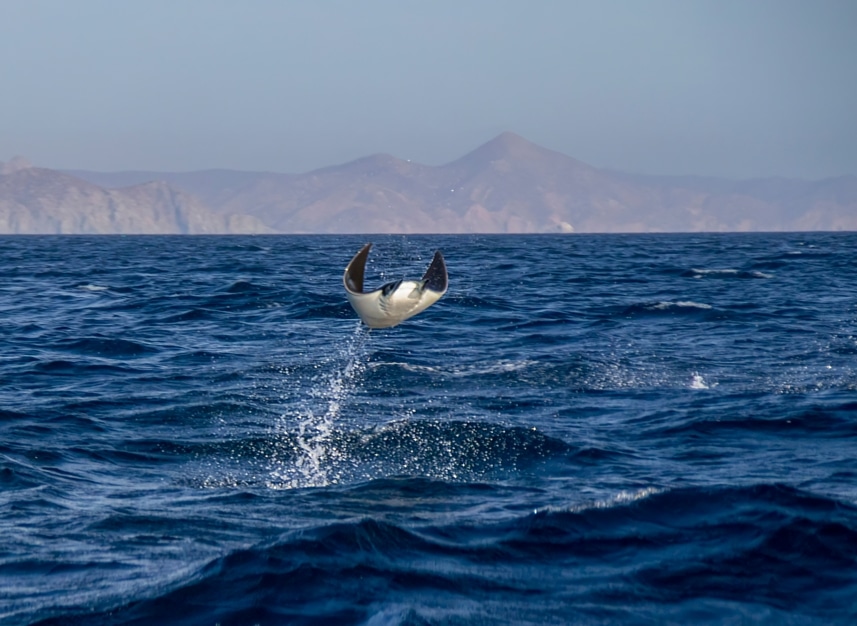
The most famous and spectacular behaviour of the Mobula Munkiana is undoubtedly their propensity for leaping. These animals gather in immense schools, which can number hundreds of individuals. Within these mega-schools, the rays begin launching themselves out of the water, reaching impressive heights before belly-flopping back down.
But why do they leap? The scientific community is still debating the precise reasons for this behaviour. The most widely accepted theories suggest that the leaps serve multiple purposes. They may act as a method of communication to keep the school together, as a courtship ritual to attract mates, or simply as a way to rid themselves of parasites clinging to their skin. The sound of their splashes reverberates underwater for kilometres, creating an acoustic signal impossible for other members of the species to ignore.
Baja California: The Home of Mobulas
Baja California, and particularly the Sea of Cortez, is considered the world capital for observing Mobula Munkiana. Jacques Cousteau famously referred to this body of water as “the aquarium of the world,” and it’s easy to see why. Nutrient-rich currents rising from the depths create the perfect environment for plankton to thrive.
This abundance of food attracts massive schools of devil rays, especially during the spring and summer months, from April to July. The southeastern coast of the Sea of Cortez becomes a critical gathering point. Here, the warm and sheltered waters of the gulf provide a safe haven not only for feeding but also for reproduction. For ocean lovers, diving or snorkeling in these waters means being surrounded by a living tornado of gentle creatures.
The Importance for the Marine Ecosystem
Mobula Munkiana plays a fundamental ecological role. As filter feeders, they act as natural regulators of plankton populations. They help maintain the balance of the marine food chain, preventing the uncontrolled proliferation of algae and microscopic organisms that could otherwise deplete oxygen levels in the water.
Additionally, their vast vertical and horizontal movements help mix the water column. By feeding at depth and releasing waste near the surface, they transfer vital nutrients across different layers of the ocean. Their presence or absence is considered a crucial indicator of the overall health of the marine ecosystem. If mobulas thrive, it means the surrounding ocean is rich and healthy.
Conservation Efforts and Responsible Tourism
Despite their seemingly immense numbers during aggregations, Mobula Munkiana is classified as a vulnerable species by the International Union for Conservation of Nature (IUCN). Their slow reproductive cycle, which involves the birth of only one pup at a time after a long gestation period, makes them extremely susceptible to environmental changes.
The main threats include accidental bycatch in commercial fishing nets, water pollution, and the degradation of coastal habitats. Fortunately, in Baja California, more and more conservation initiatives are emerging. Numerous organisations are working with local fishing communities to promote sustainable practices and transform intensive fishing into ecotourism.
Responsible tourism is key to saving these animals. Choosing certified tour operators who respect safety distances and avoid disturbing the schools during their delicate feeding or reproductive phases ensures that mobulas will continue to visit these coasts.
The Baja California Travel team can include this experience in all its self-drive trips across Baja California.
Encountering Mobula Munkiana changes your perspective. It’s a visceral reminder of the magic hidden beneath the waves. If you’re planning a trip to Baja California, make sure to include this experience in your itinerary, bringing with you respect for the ocean and a desire to protect its wonders for future generations.