 Skip to content

Coastal wetlands are vital ecosystems worldwide: they provide nourishment for marine organisms and create a safe haven for young fish and invertebrates. In Baja California, along the Gulf and Pacific coasts, several areas are framed by dense mangrove vegetation.
You can explore this unique environment by boat or car, especially by following the Pacific coastline.
Driving carefully along the dirt tracks, usually travelled only by local fishermen, you will discover enchanting spots where marine and terrestrial life blend in perfect harmony.
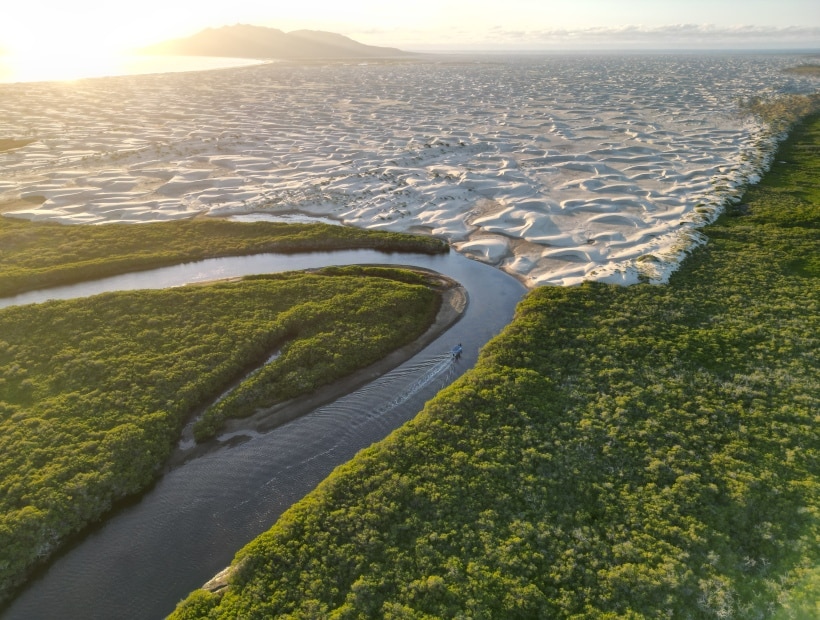
In wetlands, mangroves provide shelter, nesting areas, and resting points for hundreds of bird species. Visiting these areas, it’s easy to admire the majestic grey herons or petrels searching for food in the mud during low tide.
Mangroves also ensure immense coastal stability, preventing erosion and offering a natural shield against storms. Acting as a true bridge between land and sea, these plants trap alluvial sediments, consolidating the soil and promoting the creation of new tidal ecosystems.
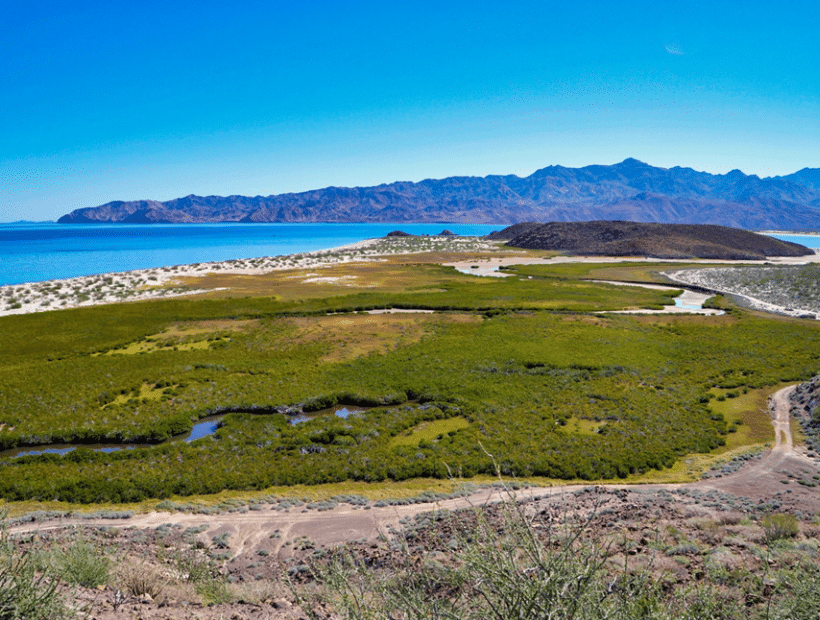
For millennia, mangrove forests have withstood violent storms and constant tidal fluctuations. Today, however, they face a far more insidious threat: pollution caused by solid and liquid waste. This makes the mangroves of Baja California one of the most endangered natural habitats on the planet.
Seeing birds using waste, primarily plastic, to build their nests is a deeply striking scene for anyone who loves nature and this beautiful region.
Fortunately, there is hope. Several local volunteer organisations work tirelessly to clean up this fragile ecosystem.
By actively involving children and school students, these initiatives foster a new ecological awareness, an essential step towards protecting and continuing to value our environment.